
Why Automated Escrow Deposits Beat a One-Time Upload
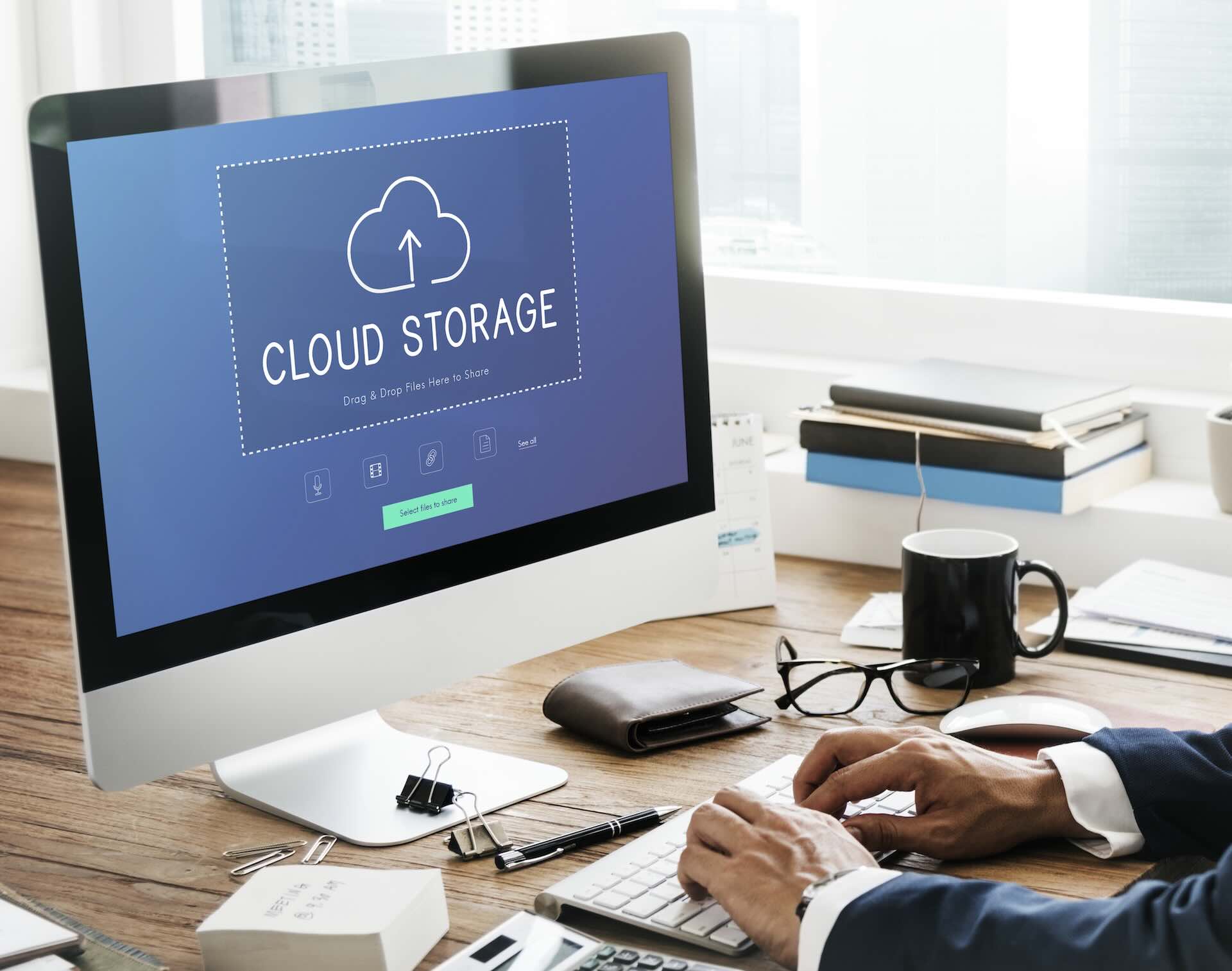
Continuity depends on the deposit matching what is in production.
The weakest escrow programmes fail quietly. Someone uploads a repository at signature, the agreement is filed, and engineering moves on. Six months later the product has new services, new configuration, and a different build. The deposit still describes the old system.
Automated deposits close that gap. SoftVault connects to repositories, cloud platforms, and the other systems a product is built from, then keeps the escrow materials current without a manual export each sprint.
What goes wrong with a manual deposit
A one-time upload creates three problems.
- It drifts. The running system and the escrow copy diverge.
- It depends on a person remembering. Releases, holidays, and reorganisations all interrupt the habit.
- It is hard to prove. An auditor cannot tell whether the archive matches production.
Daily automated sync, with managed backups held in immutable storage, removes the reminder from the process. The deposit updates because the integration is connected, not because someone booked time to do it.
Where the connections sit
SoftVault integrates with the places teams already keep code and infrastructure, including source hosts and cloud platforms. Once connected, deposits can sync automatically so the custodian holds a current copy rather than a historical one. Your team stays focused on building. The escrow record stays aligned with what customers are using.
What “current” is for
Currency matters on the day of release. If a vendor can no longer support the product, the customer needs the materials that match the service they rely on, plus enough documentation to maintain it. An archive from contract day is a starting point. An automated deposit is the system as it exists now.
If your escrow process still depends on a scheduled upload, treat that as a continuity risk. Connect the systems, let the deposit follow delivery, and keep verification on top of what was actually synced.
Related
Similar Articles

What Is Software Escrow, and When Do You Need It?


SaaS Escrow: Protecting Cloud Applications Beyond Source Code

DORA and NIS2: What Software Continuity Evidence Looks Like
How a Software Resilience Certificate Supports Audits and Sales